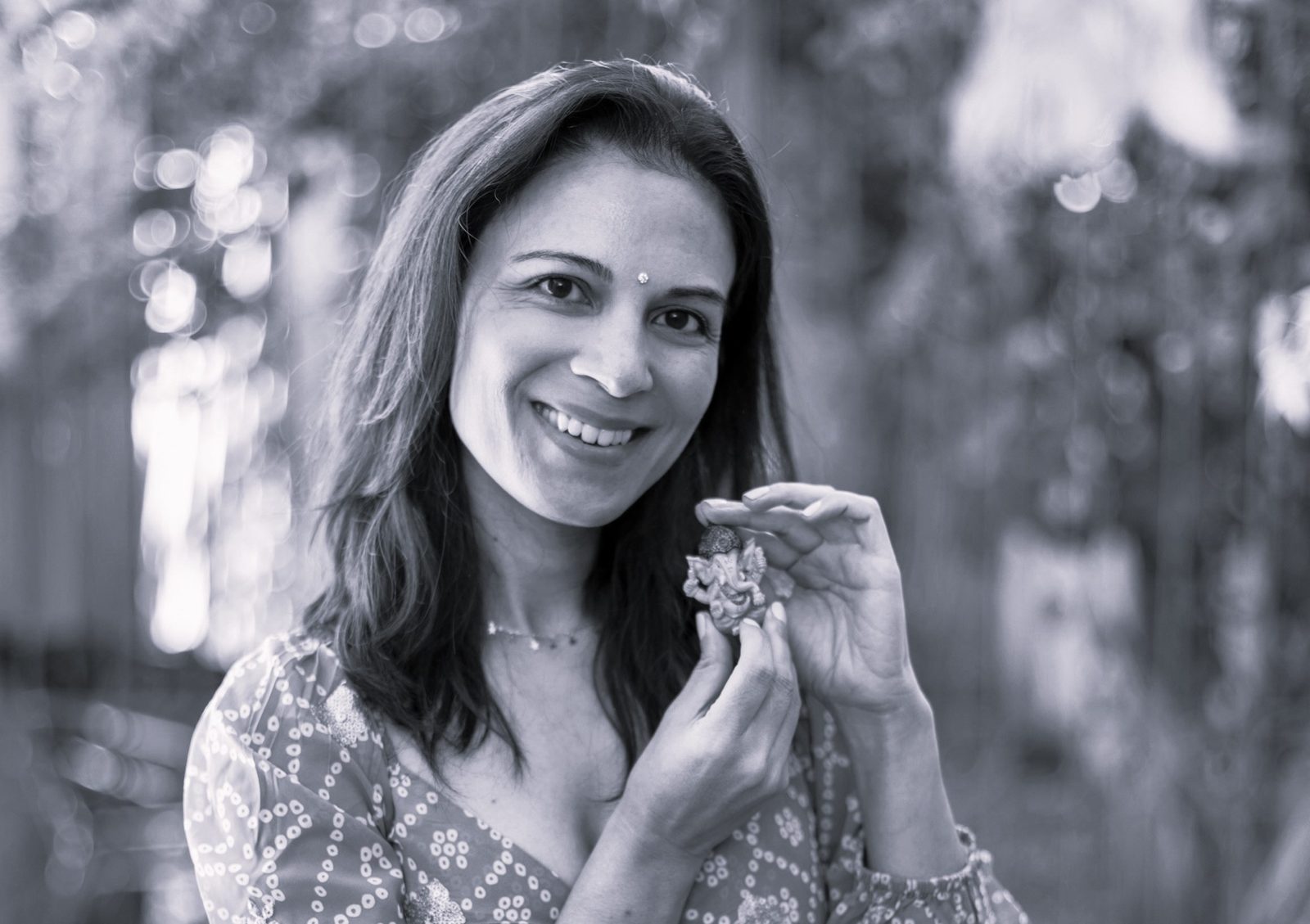
Finding strength in stillness: how Komal's health journey shaped her relationship with yoga.
After living with Deep Vein Thrombosis and lupus, Komal discovered a more mindful approach to movement through Hatha yoga. Today, she highlights the importance of gentle practice, listening to the body, and making yoga accessible to people living with chronic conditions.
For Komal, yoga became much more than a form of exercise. Her journey began during a challenging period of her life, when she was dealing with Deep Vein Thrombosis (DVT) and lupus. Physical difficulties, including relying on crutches and experiencing joint pain, changed the way she approached everyday movement and her relationship with her body.
Searching for ways to support her well-being, Komal discovered Hatha yoga. What initially attracted her was the possibility of gentle movement and improving her physical comfort. Over time, the practice introduced her to something deeper: the importance of being grounded, present, and aware of what her body was communicating.
Her experience also shaped her understanding of what yoga should look like for people living with chronic conditions. She believes that slower practices, including Hatha, Iyengar, and Yin Yoga, can be valuable options for people with lupus because they allow greater attention to alignment, technique, and individual limitations. Rather than pushing through difficult movements, she encourages practitioners to approach their practice with patience and care.
One of the most important lessons Komal shares is that yoga does not always have to involve physical postures. Living with lupus can mean experiencing periods when energy levels, joint comfort, and physical abilities change. During a flare, she emphasises the importance of listening to the body rather than forcing a demanding practice.
“Yoga is about being grounded and present. Sometimes, listening to your body and simply breathing is the most important practice.”
Komal, Komal Yoga
On particularly difficult days, gentle breathing exercises, known as pranayama, can offer an alternative to physical exertion. Komal highlights the value of breathing practices for calming the nervous system and managing stress, which she identifies as an important consideration for people living with lupus.
Her perspective challenges the common assumption that a successful yoga session must involve an energetic flow or a series of challenging poses. Sometimes, the most meaningful practice is simply slowing down, breathing consciously, and allowing yourself to be present. For Komal, understanding these different possibilities is an essential part of making yoga more inclusive.
Accessibility is another important part of her message. In-person yoga classes offer opportunities for teachers to observe students closely and provide physical adjustments when appropriate. However, Komal also recognises the importance of online yoga sessions, particularly for people managing fatigue, limited mobility, or periods of isolation.
Practising from home can help people maintain a connection with yoga and their wider wellness community without the additional demands of travelling to a studio. Online sessions may not replace every benefit of in-person instruction, but they create another way for people to remain involved and practise within their own circumstances.
Komal's journey is a reminder that everyone's relationship with movement is different. A practice that works well for one person may not be appropriate for another, particularly when chronic health conditions are involved. Her message is not about achieving perfect postures or pushing physical limits, but about developing awareness, respecting individual needs, and finding sustainable ways to stay connected with the body.
Through sharing her experiences and perspectives, Komal brings attention to a more compassionate understanding of yoga. For her, the practice is ultimately about being present, finding grounding during difficult moments, and recognising that even the gentlest movement or a few conscious breaths can have meaning.
Something not right, or want to change a detail? Request a correction. Founders can ask for changes or removal at any time.
Helene Retsinias Anido turned her personal love of yoga into a teaching journey. Through Yoga with Hélène in Barnet, North London, she helps people of different ages and abilities explore movement, breathwork, mindfulness and yoga philosophy.
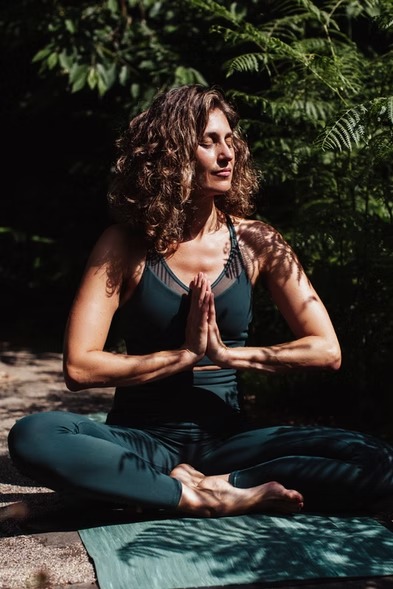
After 15 years as a portrait photographer and discovering yoga in India, Kris found a way to bring her two passions together. Through Present Practices, she creates thoughtful imagery that helps yoga teachers and wellness businesses share their work with confidence.
What began with a love of fitness and dancing became an unexpected career in yoga and dance. Encouraged by teachers and classmates, Queeny gained her qualifications, secured her first gym job, and built a following across local fitness communities.
 #16